Close
Last week, New Delhi hosted a watershed moment in India’s energy sector: the 5th Edition of the Oil & Gas Annual Conference & Expo 2025 held from 26–28 November at Yashobhoomi Convention Centre. With the theme “Future Energy Systems for ‘Viksit Bharat’: From Oil & Gas to Multi-Energy Leadership”, the conference underscored the urgent transformation underway in India’s energy landscape — moving from traditional hydrocarbons toward a diversified, sustainable, and dynamic multi-energy future.
Driven by the national vision of Viksit Bharat @2047, the traditional oil and gas industry in India is being reimagined to align with broader goals of energy security, sustainability, and net-zero emissions by 2070. ETEnergyworld.com+1 The conference offered a much-needed platform for stakeholders — from policymakers to industry leaders, technologists to investors — to collaboratively explore how India can evolve into a global multi-energy leader.
Attendees experienced a rich program: two days of focused conference sessions, a three-day exhibition showcasing next-gen energy technologies, and the presence of 50+ speakers, 15+ sessions, 100+ exhibitors, and over 400 delegates from across the energy ecosystem
The conference addressed a wide range of critical topics, including:
1. Exploration & Production, Oil & Gas Pipelines, and Refining & Petrochemicals.
2. City Gas Distribution, aiming at expanding clean energy access down to the last mile.
3. LNG terminals, storage & infrastructure, and the emerging role of LNG in India’s decarbonization strategy.
4. Hydrogen, biofuels and alternate energy sources — pointing toward a diversified energy mix.
5. Digitalization and AI integration across the oil & gas value chain — a nod to the future of energy operations.
6. Asset integrity, capital attraction, investment acceleration, contracting models, and policy frameworks needed for seamless energy transition.
These discussions collectively painted a roadmap for how India’s traditional energy giants can pivot toward multi-energy portfolios while balancing growth, sustainability, and energy security.
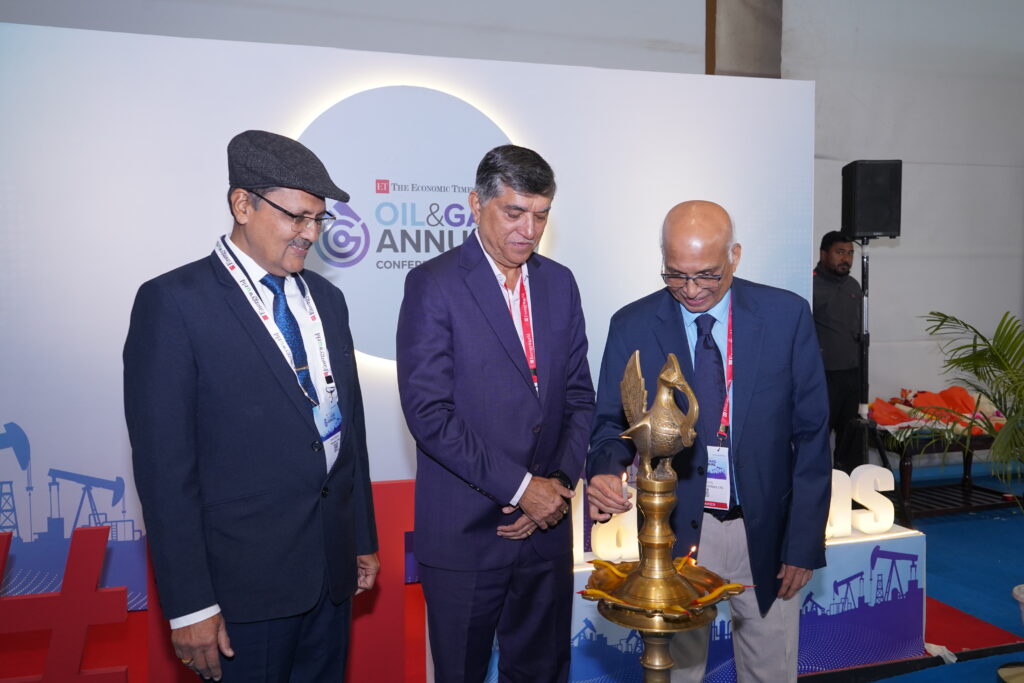
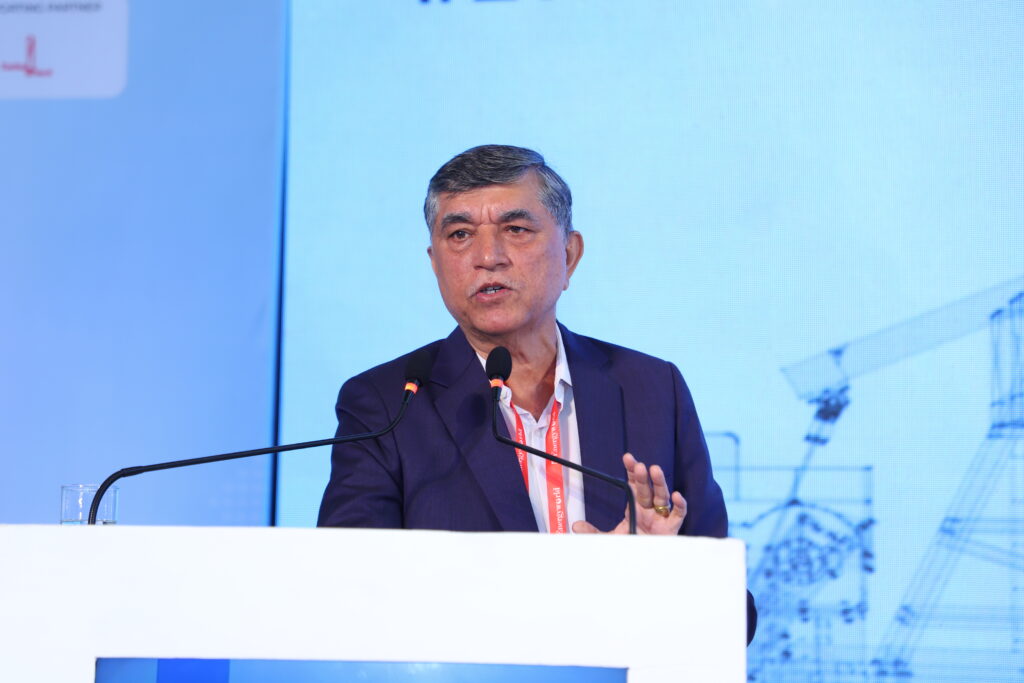
One of the conference’s standout moments was the session led by the honorary speaker, Subhash Kumar, who articulated the aspirations and challenges facing India’s energy transition with clarity and vision.
Mr. Kumar emphasized that the shift from oil & gas to a multi-energy framework is not just a technological or infrastructural challenge — it is equally about policy reforms, stakeholder alignment, and long-term strategic planning to ensure that India’s energy ecosystem evolves responsibly, sustainably, and inclusively.
His insights resonated deeply with attendees, reinforcing the idea that the journey toward “Viksit Bharat” demands collective action — from regulators and policymakers to corporates, innovators, and investors. The session underscored optimism grounded in realism, acknowledging both the opportunities and obstacles ahead.
As the curtains fall on the Oil & Gas Annual Conference 2025, the message is loud and clear: India’s energy future cannot rest on hydrocarbons alone. The vision of “Viksit Bharat @ 2047” demands a bold, systemic shift — toward multi-energy leadership, sustainable growth, innovation, and collaborative governance.
We thank Mr. Subhash Kumar and all the thought leaders, organizations, and participants who contributed to making this conference a critical milestone. The journey ahead is challenging, but the direction is set — and the roadmap has begun to take shape.